Introduction
Ventilator training is a necessary aspect of contemporary medical care, especially in important treatment setups. As modern technology breakthroughs and the intricacy of individual needs increases, the relevance of having trained healthcare specialists comes to be critical. This thorough review intends to explore the numerous facets of ventilator training, discovering its need, techniques, and effects for person treatment. From nurses to respiratory system therapists, recognizing exactly how to operate a ventilator can considerably affect individual outcomes.

Understanding Ventilator Training: A Comprehensive Overview
Ventilator training encompasses a broad series of skills and expertise required to efficiently take care of clients that need breathing support. Provided the detailed nature of air passage and ventilation administration, it is crucial that healthcare providers get efficiency through structured discovering experiences. This post will damage down the components of ventilator training, covering vital topics such as basic ventilator programs, specialized ventilation training programs for registered nurses, and unique programs like NDIS air flow training.
The Importance of Ventilator Training in Healthcare
Why is Ventilator Training Essential?
In critical treatment atmospheres, clients may experience severe respiratory failing as a result of numerous problems such as pneumonia, chronic obstructive pulmonary illness (COPD), or injury. For these people, prompt and proper ventilatory ventilator management for nursing professionals support can be life-saving.
- Patient Safety: Appropriate training guarantees that healthcare providers can make educated decisions regarding launching or discouraging from ventilatory support. Skill Proficiency: Hands-on experience with equipment cultivates self-confidence in taking care of intricate circumstances and emergencies. Interprofessional Collaboration: Efficient communication among staff member enhances general person administration strategies.
Types of Ventilation Training Courses
Basic Ventilator Course
A standard ventilator program is made for amateur specialists or those aiming to rejuvenate their knowledge. Trick components include:
- Fundamentals of Mechanical Ventilation Types of Ventilators Parameters and Settings: Recognizing modes such as assist-control (AC) and pressure support (PSV).
Advanced Ventilation Training Courses
For experienced medical professionals seeking innovative knowledge, specialized courses concentrate on:
- Complex Individual Scenarios: Managing people with comorbidities. Ventilator Graphics: Translating waveforms to optimize settings.
Ventilator Training for Nurses
Nurses play an important role in individual surveillance and management throughout mechanical air flow. Specialized ventilator training for nurses includes:
- Patient Evaluation Skills: Recognizing signs of distress or complications. Collaborative Care Models: Working together with respiratory therapists for integrated treatment delivery.
Tracheostomy and Ventilator Training
Tracheostomy treatments typically demand specialized understanding pertaining to affordable ventilator training for nurses ventilation techniques. Trick areas covered include:
- Indications for Tracheostomy Care Protocols Post-Tracheostomy Placement
This training outfits doctor to handle both tracheostomy treatment and mechanical ventilation concurrently.
Airway Administration and Ventilation Techniques
Effective respiratory tract management is fundamental to successful air flow approaches. Recognizing various air passage securing techniques-- like intubation or supraglottic devices-- is vital:
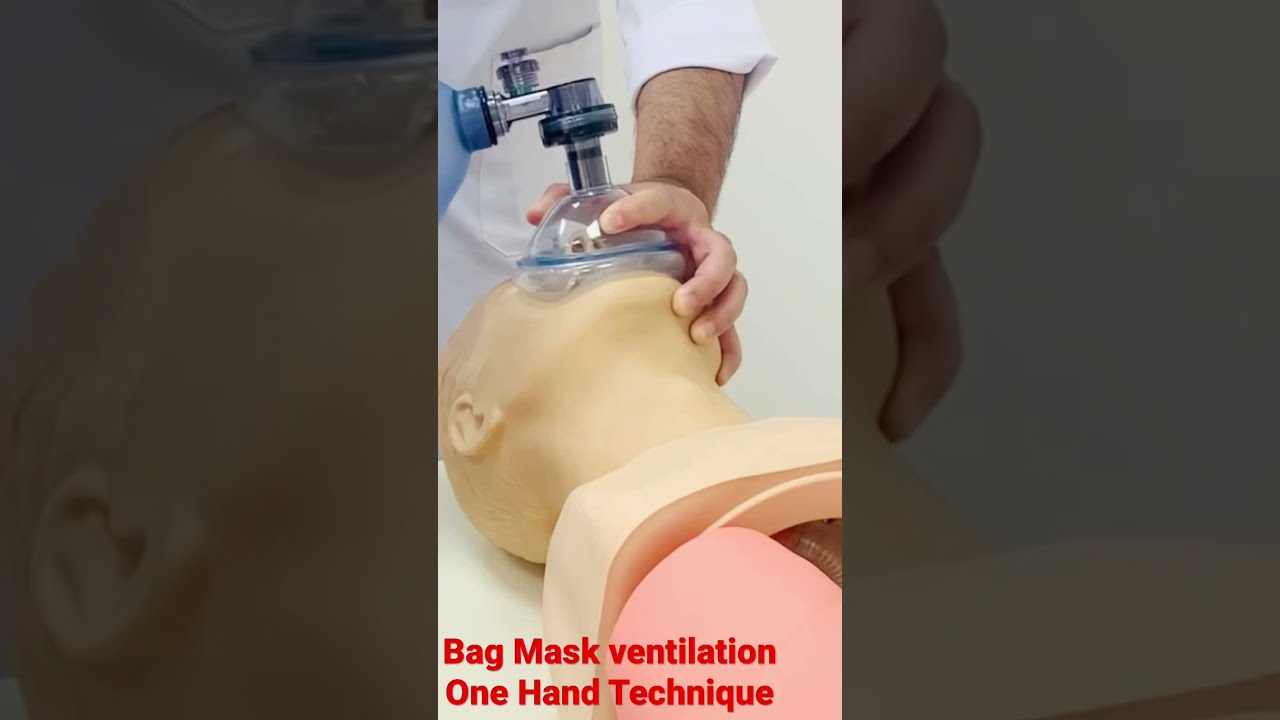
Bag-Valve-Mask (BVM) Technique Endotracheal Intubation Procedures Suctioning Techniques for Respiratory tract ClearanceNDIS Air flow Course Overview
The National Special needs Insurance Plan (NDIS) emphasizes tailored education and learning for caregivers working with people requiring recurring ventilatory assistance as a result of specials needs. The NDIS ventilation training program covers:
- Legal Responsibilities: Compliance with care standards. Family Education Strategies: Encouraging families in managing home-based care effectively.
Ventilation Support Methods Explained
What is Ventilator Support?
Ventilator assistance refers to making use of makers that help individuals' breathing when they are incapable to do so separately. This includes different settings:
Continuous Favorable Airway Pressure (CPAP) Bilevel Positive Respiratory tract Stress (BiPAP) Invasive vs Non-invasive Support
Understanding Settings of Mechanical Ventilation
Different settings serve distinct objectives based upon person demands:
|Mode|Summary|Indications|| ---------------------|---------------------------------|-----------------------------------|| Assist-Control|Delivers breaths at established periods|Individuals with weak breathing drive|| Stress Assistance|Offers pressure support on each breath|Spontaneous breathing people|
FAQs Regarding Ventilator Training
1. What certifications are needed for ventilator training?
Typically, a standard understanding of human anatomy, physiology, and prior nursing or medical education forms the foundation prior to participating in specialized courses.
2. How long do ventilation training programs normally take?
Most standard programs last in between one to 2 days; innovative training courses may cross several weeks depending upon the educational program depth.
3. Can I obtain hands-on experience during these courses?
Yes! A lot of trustworthy programs include simulation laboratories where individuals exercise real-life situations utilizing mannequins or online simulations.
4. Are on-line training courses readily available for ventilator training?
Yes! Numerous organizations provide hybrid models integrating on the internet academic parts followed by hands-on workshops.
5. How typically should I freshen my understanding on ventilation techniques?
It's advised to restore your abilities every 2 years with continuing education units (CEUs) or refresher courses.
6. Is it feasible to specialize even more after initial vent training?
Absolutely! Numerous specialists go after qualifications concentrating on pediatric medicines, emergency situation medicine, or specific disease procedures affecting lung function.
Conclusion
Understanding ventilator training is important in guaranteeing top quality individual care in today's health care environment where mechanical air flow plays a crucial role in saving lives. With numerous sorts of courses offered-- from basic vent skills to sophisticated methods-- health care professionals are equipped not only through expertise but likewise via useful application within medical settings.

As we browse a future where respiratory concerns continue to rise globally, spending time right into comprehensive ventilation education stays an invaluable possession across all degrees of medical personnel-- from beginner nurses embarking on their professions to experienced professionals seeking expertise chances in this elaborate field.
By stressing constant discovering via organized programs like NDIS ventilation services or tracheostomy-related components, we can guarantee that every client gets secure and effective airway monitoring-- inevitably leading in the direction of boosted outcomes across health care systems worldwide.
This organized approach makes sure that visitors walk away with an extensive understanding of what it means to be trained in the nuances of mechanical air flow-- a skillset that stands at the crossway in between modern technology and caring patient care.